The cameras were procured; the network under them was an afterthought. Streams drop at night, storage fills unevenly, and expanding to the next district means another ad-hoc build. You need a surveillance backbone that is designed, not accumulated.
WHAT YOU WILL HAVE AT THE END
PoE++ at every camera with per-port power budgets that add up
Dedicated surveillance VLANs — camera traffic never crosses office data
Aggregation designed for concurrent full-bitrate recording, not averages
Redundant recording paths for critical zones
Per-site as-built documentation and labeled cabling
A backbone that extends to the next site without redesign
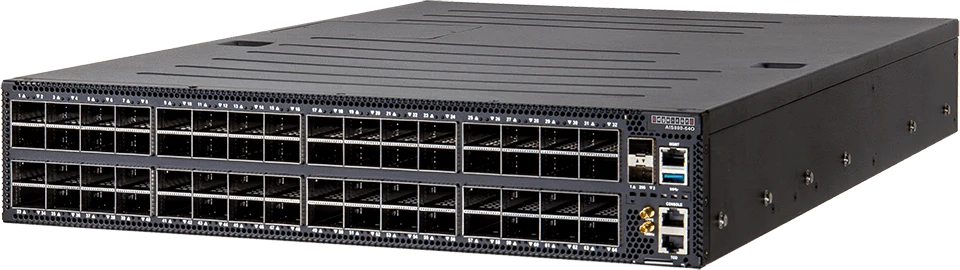
Edgecore switching carries city-scale camera networks in the field. Photon State designs and delivers this solution in Thailand on the same platform.
ORBI GROUP (Twin Towers hotel complex)
GEORGIA · 2019
DATED
791 CAMERAS
47 FLOORS
Hotel developer ORBI GROUP built a CCTV surveillance network for its massive Twin Towers property using Edgecore L3/L2 switches configured with VRRP redundancy and dedicated camera VLANs. Fiber uplinks from PoE edge switches on each floor carried camera traffic non-blocking to the core in the server room.